
Blog
Essential Ultimate Texas Hold’em Terms Explained


We all have taken a seat at a virtual table, LalaBet ios app, looked at the interface, and sensed a bit of confusion when unfamiliar jargon begins to fly. Ultimate Texas Hold’em is an thrilling poker variant that mixes classic strategy with quick decision-making. Learning the vocabulary transforms you from a hesitant clicker into a assured player who comprehends the pace of the game. Allow us walk you through the fundamental terminology so you can focus on outsmarting the dealer and loving every hand.
The Trips Bet
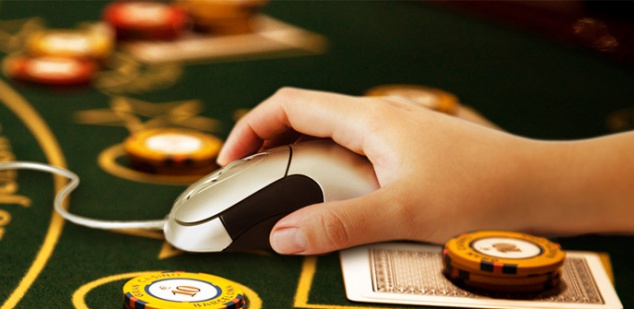
Together with the mandatory bets, we have the available Trips side wager. This is a pure value bet that has not anything to do with beating the dealer. It pays out solely based on the final five-card hand we assemble using our two hole cards and the community cards. We enjoy this bet because it offers a thrilling secondary win condition that can save a session even when the dealer continually pulls ahead in the main game.
The paytable for the Trips bet commonly starts at three-of-a-kind, hence the name. We get paid rising odds for higher hands like straights, flushes, and full houses. The dealer’s hand is entirely irrelevant to this wager. Even if we lose the Ante and Play bets, a powerful Trips hit results in a satisfying profit. We advise constantly placing this bet to enhance the excitement of every flop.
Fundamental Strategy Concepts
We require a plan to maneuver the complicated decision tree. While memorizing every situation takes time, a few core concepts direct most of our choices. The strategy revolves around the power of our hole cards and their relationship with the community cards. We group hands into premium, marginal, and garbage tiers. This mental grouping allows us to act right away when the Flop shows up, reducing pausing and optimizing our betting accuracy.
The Pre-Flop Aggression Zone
We stake 4x pre-flop with a certain group of hands. This includes any pair of threes or higher, ace-ten suited or better, ace-jack offsuit or better, and king-queen suited. These hands have a statistical edge over the dealer’s random spectrum. By staking the maximum, we leverage our equity advantage before the board can ruin our hand. We never once get hesitant with a big pocket pair; the math calls for maximum pressure early.
After the Flop Decision Making
If we verified pre-flop, the Flop governs our next action. We usually bet 2x if we have any pair, a strong draw like an open-ended straight or flush draw, or even just two high overcards to the board. The benchmark for betting 2x is much lower than the 4x necessity. We are wagering on our potential to improve or our current marginal made hand. Waiting for the River is kept for hands that completely missed the Flop.
Reading the Board Texture
We pay close attention to if the board is “wet” or “dry.” A wet board includes connected cards and suited cards that generate many straight and flush opportunities. A dry board is spread out with no obvious draws. We are more careful on wet boards with marginal hands because the dealer has a greater chance of landing a strong draw. On a dry board, even a small pair can be a jackpot meriting betting aggressively.
The Shared Cards
The common cards in the middle of the table are the core of Ultimate Texas Hold’em. We utilize these five cards together with our two hole cards to construct the strongest possible poker hand. The order these cards are unveiled shapes our entire betting strategy. Unlike conventional poker, we do not compete against other players, but we must still interpret the character of these cards to choose how aggressively to challenge the dealer.
The Initial Three Cards
The opening three community cards dealt face-up are called the Flop. This is the point of disclosure where our hand starts to form. We instantly evaluate whether we have made a matching hand, a promising draw, or a total whiff. The Flop is crucial because it allows us to make our first significant action: putting the Play bet at a 2x multiplier. We need to choose rapidly if the board texture favors our holding.
The Turn and the River
The fourth community card is the Turn, and the fifth card is the River. These are revealed sequentially, increasing the pressure on our options. After the River, we have one remaining chance to put a Play bet, but now at a reduced 1x factor. Holding out until this point is a defensive strategy. We usually see prudent players check down to the River, expecting the final card fulfills a lucky draw before committing their chips.
The Ante Bet and Blind Structure
Before a single card is played, we need to put two mandatory bets to kickstart the action. These are the Ante and the Blind, and they are mandatory entry fees for the hand. They seem similar at first glance, but they serve different roles in the game’s mathematics. Grasping the difference between these two wagers is the first step toward crafting a solid winning approach at any table.
The Ante Bet
The Ante is your principal wager against the dealer. It confronts the house, asserting that your final five-card hand will be superior. This bet is the core of the game, and it dictates the flow of the decision-making tree. If you opt to fold later, you lose this chip stack immediately. We always consider the Ante as the core investment that drives the potential payouts on the main hand.
The Blind Bet
The Blind is a different, forced side bet that pays out separately based on the strength of your final hand. We do not play the Blind directly against the dealer’s hand strength. Rather, it pays according to a set paytable, rewarding you for landing premium holdings like a straight or better. Even if the dealer claims the main pot, a strong Blind can still produce a significant payout, making it a vital protection.
Blind Payout Mechanics
We always verify the specific paytable before joining, as it varies slightly between platforms. A flush might pay the Blind, while a full house generates a much larger multiplier. The most thrilling moment is hitting a royal flush, which usually awards the top award regardless of the dealer’s hand. This structure encourages us to stay in hands that have strong drawing potential.
The Check and Fold Choices
We are not always forced to bet. The option to check enables us to see more cards for free, saving our stack until we have more data. That said, this restraint has a end. The ultimate defensive move is the fold, where we give up the hand completely. Mastering the art to fold protects us from bleeding chips in hopeless scenarios, but folding too often means a slow death by a thousand cuts.
Strategic Checking
Checking is we tap the table and let the next card fall without putting more chips to the pot. We do this when our hand is mediocre or has possibilities but hasn’t connected yet. A suited connector that missed the Flop is a prime check choice. We are hoping to hit a pair or a draw on the Turn. Checking maintains us in the game for the minimum cost, retaining the value of our Ante and Blind bets.
The Painful Fold
Folding is the process of surrendering our cards and losing the Ante and Blind bets. We only do this after seeing the River and deciding our hand has essentially no chance of beating the dealer. If we hold a low, unpaired hand with no draw to a straight or flush, continuing is usually a bad move. We fold to protect the 1x Play bet, embracing the sunk cost rather than doubling down on a loser.
Common Pitfalls and Confused Concepts
We often see new players trip up on specific terms that appear comparable but have wildly varying outcomes. Mixing up a “push” with a “win” is a classic error that causes wrongful irritation. Similarly, misunderstanding the independence of the side bets leads to players to make poor folding decisions. Let us clarify the most frequent points of confusion so you can traverse the interface with absolute clarity and avoid forfeiting potential wins.
Push vs. Win

A push happens when the dealer fails to qualify with at least a pair of threes. In this scenario, the Ante bet pays out, but the Play bet merely comes back to your stack with no profit. It seems like a win because chips come back, but it is strictly a tie on the main play wager. A true win happens when the dealer reaches the threshold and our hand overcomes theirs. In a true win, we receive payment on both the Ante and the Play bets, doubling our happiness.
The Bad Beat Jackpot
Some tables provide a bad beat jackpot, which is a progressive prize pool. This typically activates when a powerful hand, like a full house or better, is defeated to an even more powerful dealer hand. We love this feature because it turns a brutal loss into a grand celebration. The term “bad beat” describes losing with a hand that is mathematically a big favorite. Hitting this jackpot requires certain criteria, so we always check the rules at the specific table.
We also encounter the term “slow rolling,” though it is rarer against a dealer. In a live setting, slow rolling means delaying showing a winning hand to mock an opponent. In our digital environment, the software manages reveals right away. However, we might delay ourselves by hesitating too long on a 4x decision. We condition our instincts to sidestep this hesitation, maintaining the game progressing at an lively tempo.
The Return to Player and House Edge
We constantly talk about the mathematical backbone of the game because it determines our long-term survival. Ultimate Texas Hold’em offers a competitive house edge when we use an optimal strategy. The edge changes slightly based on the particular paytables provided for the Blind and Trips bets. By making the correct 4x and 2x decisions, we can push the return to player percentage well above 99%, making it one of the most balanced table games available.
The house edge is the theoretical profit the casino retains over millions of hands. We consider a low house edge as a motivation to minimize mistakes. Every time we fold a hand that should have been played, or check a hand that should have been bet, we boost that edge against us. Sticking to a mathematically sound strategy chart is not just boring discipline; it is our tool against the house advantage.
Hand Strength Rankings in Ultimate Texas Hold’em Poker
We utilize standard poker hand order, but the way they combine with the dealer’s hand produces distinct strategic demands. We are not trying to deceive other players; we are just striving to build a hand that surpasses the dealer’s qualification limit. Knowing the ranking is essential, but understanding the occurrence of these hands is what creates a true professional. We center on high cards and pairs because they constitute the core of successful strategies.
The Dealer Qualifier
The most critical rule variation is the dealer qualifier. The dealer must have at least a pair of threes or better to “qualify.” If the dealer does not make it, our Play bet is returned as a standoff, and the Ante bet compensates even money irrespective of our hand strength. This rule is why we play boldly with solid hands. We aim to extract value before the dealer maybe misses the board entirely and caps our Ante payout to a basic tie.
Strong Hands and Payouts
We chase the big hands like runs, flushes, and full houses not just for the Ante win, but for the Blind and Trips rewards. A royal flush is the holy grail, often starting a progressive jackpot or a huge fixed payout on the side bets. Even a simple straight can convert a break-even session into a winning one. We always keep one eye on the board, hoping of those ideal runouts that illuminate the bonus paytables.
Play Bet Selections
This is the key choice moment that separates passive observers from aggressive sharks. The Play bet represents our declaration of confidence against the dealer. We have a distinct window of opportunity to place this wager, and the size of the allowed bet shrinks as the hand progresses. Recognizing when to strike with a large bet and when to hold back is the fundamental ability we must develop to lower the house edge.
The 4x Play Bet
We can fire a massive 4x Play bet immediately after receiving our hole cards, prior to the Flop is revealed. This is the most aggressive move in the game. We keep this for premium starting hands that dominate the dealer’s random range. Pairs of tens or higher, along with ace-king suited, are classic candidates. Using a 4x bet, we optimize value early and force the dealer to beat a strong holding right out of the gate.
The 2x Play Bet
If we check pre-flop, we obtain a second chance to bet 2x our Ante after seeing the Flop. This represents a sweet spot for solid hands that improved, like top pair with a strong kicker. The board might be slightly coordinated, but we feel confident our holding leads the dealer’s possible range. We frequently use this option to balance risk and reward, capitalizing on favorable flops without over-committing on weak draws.
Common Questions
What is the top opening hand in Ultimate Texas Hold’em?
We regard pocket aces the absolute premium initial hand. erfahren Sie mehr A pair of aces dominates all other possible holdings and justifies the maximum 4x Play bet right away. Other top-tier hands include pocket kings, pocket queens, and ace-king suited. These hands have a considerable statistical edge over the dealer’s random range, offering us the highest long-term profitability when we bet them boldly.
Am I able to play Ultimate Texas Hold’em for free before betting real money?
Yes, we very much recommend practicing with demo versions first. Most platforms feature a free-play mode where you can test strategies without risking your bankroll. This enables you to memorize the optimal 4x and 2x betting thresholds in a stress-free environment. We believe spending time in demo mode builds the muscle memory needed to make confident decisions when real money is on the line.
For what reason did I lose my Ante bet even though the dealer didn’t qualify?
If you folded your hand before the showdown, you forfeit the Ante bet irrespective of the dealer’s final hand. The dealer qualifier rule only is relevant if you stay in the hand until the end. We never fold a hand that has reached the River unless it is completely hopeless, because the dealer failing to qualify saves many marginal hands that would otherwise lose in a direct comparison.
Is it advisable that the Trips bet always worth playing?
We typically place the Trips bet for the thrill factor, but mathematically it has a larger house edge than the main game. It is a side bet that pays based on your final hand strength. If you are a serious strategic player, you might skip it. Nevertheless, we think that the possibility for a substantial payout on a full house or better adds a exciting layer of excitement to every single hand.
How exactly is “dealer qualifies” defined?
The dealer qualifies by holding at least a pair of threes or any higher-ranked poker hand. If the dealer’s final five-card hand is lower than a pair of threes, they don’t qualify. When this happens, the Play bet is a push and the Ante pays even money. This rule fundamentally changes our strategy, permitting us to win money on the Ante even with a low holding if the dealer doesn’t qualify entirely.
How does the Blind bet payout work if I fold?
You give up the Blind bet immediately if you fold. The Blind bet only stays live if you remain in the hand until the showdown. Since the Blind payouts based on a set paytable for high hands, folding a hand that could have made a straight or flush is a big mistake. We consistently evaluate the Blind’s potential value before throwing away a drawing hand on the River.
What sets the Flop and community cards apart?
The Flop card refers to the initial three community cards distributed face-up simultaneously. The term “community cards” encompasses all five shared cards: the Flop, the Turn, and the River. We employ the Flop to make our 2x Play decision. The full set of five community cards is used at the end to establish the final hand rankings for both us and the dealer.
We hope this glossary enables you to face the table with unshakeable confidence. The terminology of Ultimate Texas Hold’em is the key to learning one of the most dynamic casino poker variants ever created. By absorbing these concepts, you transform from a casual observer into a sharp, strategic player who directs the action. Now, seize this knowledge, put your Ante, and embrace the hunt for that perfect hand.